

Affordable Solar Solutions for Nigerian Homes
The sun shines brightly over Nigeria, offering a powerful and renewable energy source that can transform the way households power their daily lives. With the rising costs of electricity and the challenges of unreliable power supply, many Nigerian families are looking for affordable solar solutions to meet their energy needs. This blog post explores various solar options available for homes in Nigeria, providing practical insights and examples to help you make informed decisions.
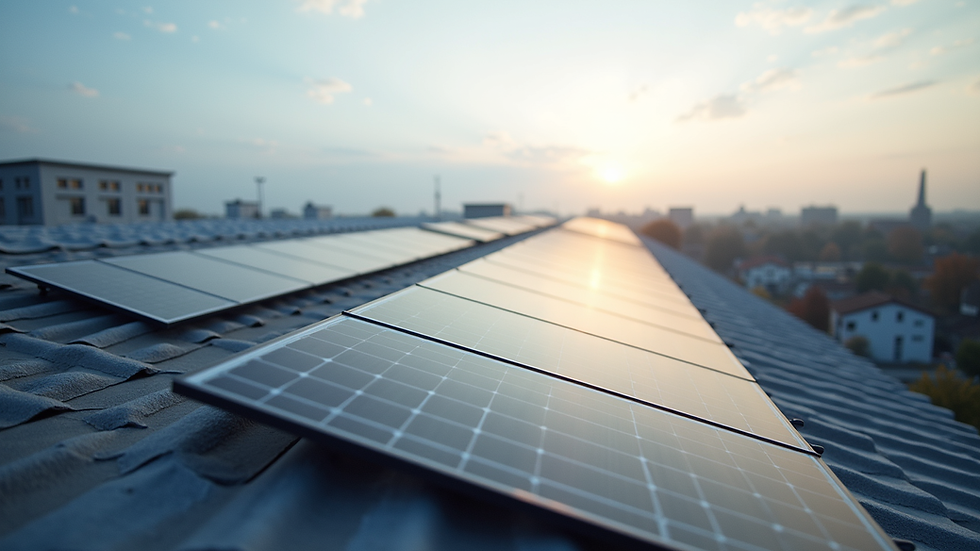
Understanding Solar Energy
Solar energy is derived from sunlight, which can be converted into electricity using solar panels. This renewable energy source is not only environmentally friendly but also cost-effective in the long run. In Nigeria, where sunlight is abundant, solar energy presents an excellent opportunity for households to reduce their dependence on the national grid and lower their electricity bills.
How Solar Panels Work
Solar panels consist of photovoltaic (PV) cells that convert sunlight into electricity. Here’s a simplified breakdown of the process:
Sunlight Absorption: Solar panels absorb sunlight, which excites electrons in the PV cells.
Electricity Generation: The movement of these excited electrons generates direct current (DC) electricity.
Inverter Conversion: An inverter converts the DC electricity into alternating current (AC), which is used to power household appliances.
Energy Storage: Excess energy can be stored in batteries for use during cloudy days or at night.
Benefits of Solar Energy for Nigerian Homes
Switching to solar energy offers numerous advantages for Nigerian households:
Cost Savings: After the initial investment, solar energy significantly reduces electricity bills.
Energy Independence: Homeowners can generate their own electricity, reducing reliance on the national grid.
Environmental Impact: Solar energy is clean and reduces carbon emissions, contributing to a healthier planet.
Job Creation: The solar industry creates jobs in installation, maintenance, and manufacturing.
Types of Solar Solutions for Homes
When considering solar solutions for your home, it’s essential to understand the different types available. Here are some popular options:
1. Grid-Tied Solar Systems
Grid-tied solar systems are connected to the national electricity grid. They allow homeowners to use solar energy while still having access to grid power when needed. Key features include:
Net Metering: Homeowners can sell excess energy back to the grid, earning credits on their electricity bills.
Lower Initial Costs: These systems typically have lower installation costs since they don’t require battery storage.
2. Off-Grid Solar Systems
Off-grid solar systems are ideal for homes in remote areas without access to the national grid. They rely solely on solar energy and include battery storage for nighttime use. Benefits include:
Complete Independence: Homeowners are not affected by grid outages.
Sustainability: These systems promote self-sufficiency and sustainability.
3. Hybrid Solar Systems
Hybrid solar systems combine both grid-tied and off-grid features. They can operate independently or connect to the grid, providing flexibility for homeowners. Advantages include:
Versatility: Homeowners can switch between grid and solar power as needed.
Battery Backup: These systems often include battery storage for reliable power supply.
Choosing the Right Solar Solution
Selecting the right solar solution for your home depends on various factors, including:
Energy Needs: Assess your household's energy consumption to determine the size of the solar system required.
Budget: Consider your budget for installation and ongoing maintenance costs.
Location: Evaluate the availability of sunlight in your area, as this affects the efficiency of solar panels.
Cost of Solar Installation in Nigeria
The cost of solar installation in Nigeria can vary widely based on system size, type, and installation complexity. On average, homeowners can expect to pay between ₦300,000 to ₦1,500,000 for a complete solar system. Here’s a breakdown of potential costs:
Solar Panels: ₦100,000 to ₦600,000
Inverter: ₦50,000 to ₦200,000
Batteries: ₦100,000 to ₦500,000
Installation: ₦50,000 to ₦200,000
Financing Options
To make solar energy more accessible, several financing options are available:
Pay-As-You-Go (PAYG): This model allows homeowners to pay for solar systems in installments, making it easier to manage costs.
Loans and Grants: Some organizations offer loans or grants to support solar installation, reducing the financial burden on homeowners.
Government Initiatives and Support
The Nigerian government has recognized the importance of renewable energy and has implemented various initiatives to promote solar energy adoption. These include:
Solar Power Projects: The government has launched projects to install solar systems in rural areas, improving access to electricity.
Incentives: Tax incentives and subsidies are available for solar energy investments, making it more affordable for homeowners.
Real-Life Examples of Solar Solutions in Nigeria
To illustrate the impact of solar energy, let’s look at a few real-life examples of Nigerian households that have successfully adopted solar solutions:
Case Study 1: The Okafor Family
The Okafor family lives in a rural area of Enugu State, where electricity supply is erratic. They installed a 2 kW off-grid solar system that powers their lights, refrigerator, and television. The family reports a 60% reduction in their monthly energy expenses and enjoys reliable power throughout the day.
Case Study 2: The Adebayo Family
The Adebayo family in Lagos opted for a grid-tied solar system with net metering. Their 3 kW system generates enough electricity to power their home and sell excess energy back to the grid. They have seen their electricity bills drop by 70%, allowing them to save for their children’s education.
Maintenance and Care for Solar Systems
To ensure the longevity and efficiency of solar systems, regular maintenance is essential. Here are some tips for homeowners:
Regular Cleaning: Dust and debris can reduce solar panel efficiency. Clean panels periodically to maintain optimal performance.
Check Connections: Inspect wiring and connections for any signs of wear or damage.
Monitor Performance: Use monitoring systems to track energy production and identify any issues promptly.
Conclusion
Affordable solar solutions are transforming the energy landscape for Nigerian homes. With the right information and resources, families can harness the power of the sun to reduce their electricity costs, improve energy independence, and contribute to a sustainable future. As you consider solar options for your home, remember to assess your energy needs, explore financing options, and take advantage of government initiatives. The journey to a brighter, more sustainable future starts with a single step—embracing solar energy.


Comments