

Premium Quality Solar Installations in Nigeria
The sun shines brightly over Nigeria, offering an abundant source of energy that remains largely untapped. With the increasing demand for reliable electricity and the rising costs of fossil fuels, solar energy has emerged as a viable solution. Premium quality solar installations are not just a trend; they are becoming essential for homes and businesses across the country. This blog post explores the benefits, types, and considerations of solar installations in Nigeria, providing you with the information you need to make an informed decision.

Understanding Solar Energy
Solar energy is derived from the sun's rays and can be converted into electricity or heat. This renewable energy source is clean, sustainable, and increasingly affordable. In Nigeria, where power outages are common and access to electricity is limited in many areas, solar energy offers a practical alternative.
How Solar Energy Works
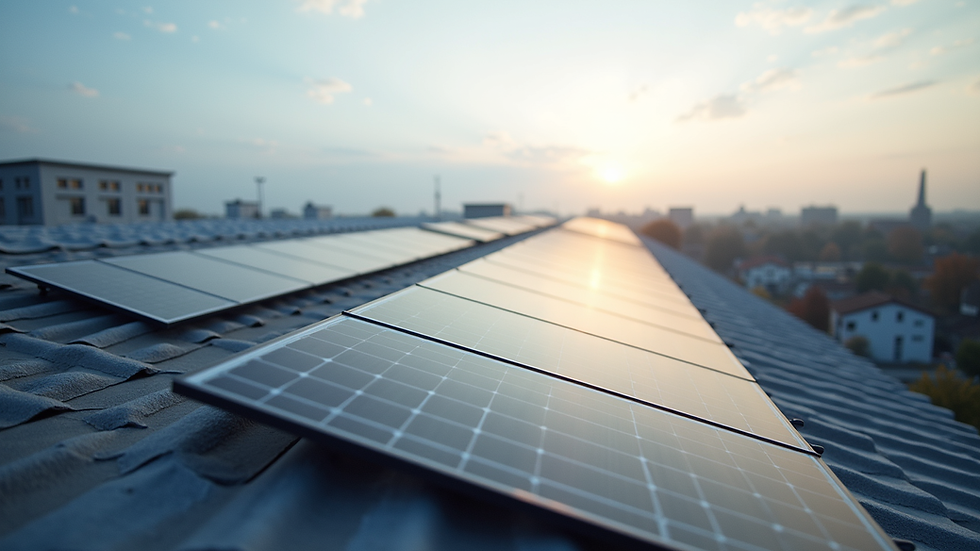
Solar panels, made up of photovoltaic (PV) cells, capture sunlight and convert it into electricity. This electricity can be used immediately, stored in batteries for later use, or fed back into the grid. The basic components of a solar energy system include:
Solar Panels: Capture sunlight and convert it into electricity.
Inverter: Converts the direct current (DC) produced by the panels into alternating current (AC) for home use.
Battery Storage: Stores excess energy for use during cloudy days or at night.
Mounting System: Secures the panels to rooftops or the ground.
Benefits of Solar Installations in Nigeria
Investing in solar energy comes with numerous advantages, particularly in Nigeria's unique context.
Cost Savings
One of the most compelling reasons to switch to solar energy is the potential for significant cost savings. While the initial investment may seem high, the long-term savings on electricity bills can be substantial. With solar energy, you can reduce or even eliminate your electricity costs, especially in areas with unreliable grid power.
Energy Independence
Solar installations provide a level of energy independence that is particularly valuable in Nigeria, where power outages are frequent. By generating your own electricity, you are less reliant on the national grid and can ensure a consistent power supply for your home or business.
Environmental Impact
Solar energy is a clean and renewable resource. By choosing solar, you contribute to reducing greenhouse gas emissions and combating climate change. This is especially important in Nigeria, where environmental degradation is a growing concern.
Job Creation
The solar industry is rapidly growing in Nigeria, creating jobs in installation, maintenance, and manufacturing. By investing in solar energy, you are supporting local economies and contributing to job creation.
Types of Solar Installations
When considering solar installations, it's essential to understand the different types available. Each type has its unique benefits and applications.
Grid-Tied Systems
Grid-tied solar systems are connected to the national electricity grid. They allow homeowners to use solar energy while still having access to grid power when needed. Any excess energy generated can be sold back to the grid, providing an additional income stream.
Off-Grid Systems
Off-grid solar systems are ideal for remote areas without access to the national grid. These systems rely entirely on solar energy and typically include battery storage to ensure a continuous power supply. Off-grid systems are perfect for rural communities and businesses that require reliable energy.
Hybrid Systems
Hybrid solar systems combine both grid-tied and off-grid features. They can operate independently of the grid but can also connect to it when necessary. This flexibility allows users to maximize their energy savings while ensuring a reliable power supply.
Factors to Consider When Installing Solar Panels
Before investing in solar installations, there are several factors to consider to ensure you make the best choice for your needs.
Location and Sunlight Exposure
The effectiveness of solar panels depends on their location and exposure to sunlight. Areas with ample sunlight will yield better results. Conducting a solar assessment can help determine the best placement for your panels.
System Size
The size of your solar system will depend on your energy needs. A larger system will generate more electricity but will also require a higher initial investment. It's essential to balance your energy requirements with your budget.
Quality of Equipment
Investing in premium quality solar panels and equipment is crucial for long-term performance and reliability. Look for reputable manufacturers and consider warranties and certifications when making your choice.
Installation Expertise
Choosing a qualified and experienced installer is vital for the success of your solar project. A professional installation ensures that your system operates efficiently and safely. Research local companies, read reviews, and ask for recommendations to find the right installer.
The Future of Solar Energy in Nigeria
The future of solar energy in Nigeria looks promising. With government support, increasing awareness, and technological advancements, solar installations are set to become more accessible and affordable. Initiatives aimed at promoting renewable energy are gaining traction, paving the way for a sustainable energy future.
Government Initiatives
The Nigerian government has recognized the importance of renewable energy and has implemented various initiatives to promote solar energy adoption. Programs aimed at providing financing options, subsidies, and incentives for solar installations are helping to drive growth in the sector.
Technological Advancements
As technology continues to evolve, solar panels are becoming more efficient and affordable. Innovations in battery storage and smart grid technology are enhancing the capabilities of solar systems, making them more attractive to consumers.
Conclusion
Premium quality solar installations in Nigeria are not just a trend; they are a necessary step towards a sustainable energy future. By harnessing the power of the sun, you can enjoy cost savings, energy independence, and a positive environmental impact. As the solar industry continues to grow, now is the perfect time to consider making the switch to solar energy. Take the first step towards a brighter, more sustainable future by exploring your solar installation options today.

Comments